
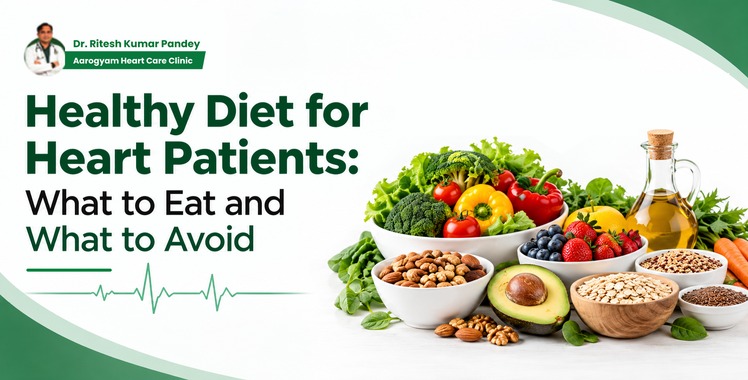
Healthy Diet for Heart Patients: What to Eat and What to Avoid
A healthy diet plays an important role in maintaining good cardiovascular health. For people with heart disease, high blood pressure, high cholesterol, or those recovering after a cardiac procedure, making better food choices can support overall heart health and complement medical treatment.
A healthy diet for heart patients should focus on fresh, nutrient-rich foods while limiting excess salt, unhealthy fats, added sugars, and highly processed foods. Since every patient's condition is different, dietary requirements should be discussed with a qualified cardiologist.
Importance of Diet on Heart Disease
The foods that we consume influence our blood pressure levels, cholesterol, blood sugar levels, body weight, and our general cardiovascular well-being. Eating the right types of foods provides one with all the necessary nutrients and may help to lead a healthy life.
For those individuals who have been diagnosed with heart problems, eating healthily should go hand-in-hand with other measures such as taking medicine, attending appointments, and exercising.
What Foods Should Heart Patients Eat?
1. Fruit and Vegetables
The consumption of fruits and vegetables is rich in dietary fiber, vitamins, minerals, and other nutrients. Seasonal vegetables and fruits must be added to your regular food intake.
Examples of vegetables that can be consumed include spinach, tomatoes, and carrots, while examples of fruits include apples, oranges, and berries.
2. Whole Grains
Consume grains like oatmeal, brown rice, and whole wheat products along with other minimally processed whole grains. This way, you will be able to consume more fiber through food sources.
3. Proper Protein Food Sources
Proper protein foods sources include pulses, legumes, beans, nuts, seeds, and fish when applicable. If meat is part of your diet, lean meat prepared with less fat can be better than fatty meat and processed meats.
4. Healthy Fats
Unsaturated fats which are healthy can be taken from food sources like nuts, seeds, and proper vegetable oils. Nonetheless, care should be taken since fats contain many calories.
5. Proper Dairy Products
Low fat or reduced fat dairy products can supply protein and calcium based on individual needs. People with particular medical conditions need to adhere to their doctor's advice on diet.
What Foods Should Heart Patients Avoid?
Excess Salt
High sodium intake can contribute to increased blood pressure in many people. Limit salty snacks, pickles, packaged foods, instant meals, sauces, and foods with excessive added salt.
Using herbs, spices, lemon, and other suitable seasonings can help add flavour without relying heavily on salt.
Fried and Processed Foods
Food items like deep-fried foods, fast foods, chips, and packaged foods must be avoided. It becomes harder for a person to have a heart-healthy diet when such foods are consumed often.
Foods High in Unhealthy Fats
There is a possibility of getting a higher level of saturated or trans fats from fatty cuts of meat, processed meat, some fried foods, and commercial baked goods.
Sugary Foods and Drinks
Moderation is key when it comes to soft drinks, sweet beverages, desserts, and sugary foods. Consuming too much sugar can result in obesity and metabolic issues.
Excess Alcohol
Alcohol may not suit all individuals depending on the medications and health conditions that one has. Consultation with your doctor regarding your consumption of alcohol is highly recommended.
Simple Heart-Healthy Eating Habits
A healthy diet for heart patients does not have to be complicated. Small and consistent changes can make everyday meals healthier.
- Prefer home-cooked meals.
- Add more vegetables to meals.
- Choose whole grains more often.
- Reduce added salt and excess oil.
- Limit fried and packaged foods.
- Choose water instead of sugary drinks.
- Maintain appropriate portion sizes.
- Check nutrition labels before buying packaged foods.
Diet after Cardiac Treatment
Diet may also be another vital aspect of the recovery process after undergoing a heart procedure. Angioplasty, valve surgery, pacemaker insertion, or any other cardiac procedure may come with some dietary and lifestyle advice for the patient.
Dr. Ritesh Kumar Pandey is a specialist who takes care of patients suffering from different cardiac diseases and provides them with advanced cardiac procedures depending upon their cardiac needs.
However, after a procedure, patients are supposed to stick to the advice of their physician, and must not change medication or diet plan without consulting their physician.
Frequently Asked Questions
1. What is the best diet for heart patients?
A balanced diet rich in vegetables, fruits, whole grains, appropriate proteins, and healthy fats is generally recommended.
2. Can heart patients eat rice?
Yes, rice can be included in suitable portions. Whole or less-refined grains can be chosen more often.
3.Should heart patients stop eating salt?
Salt intake may need to be reduced, particularly for some people with high blood pressure or heart conditions. Follow your doctor's advice.
4. Are fruits good for heart patients?
Most whole fruits can be part of a balanced diet, unless another medical condition requires dietary restrictions.
5. When should I see a cardiologist?
Seek medical evaluation for symptoms such as chest discomfort, breathlessness, fainting, or significant changes in heartbeat.
Conclusion
A good dietary plan for cardiac patients would ensure a healthy heart, along with medical treatment and proper management of your lifestyle. A healthy diet for heart patients should include fresh fruits and vegetables, whole grains, healthy proteins, and limited intake of excess salt and sugar.For any specific dietary or cardiac advice, you may contact Dr. Ritesh Kumar Pandey.