
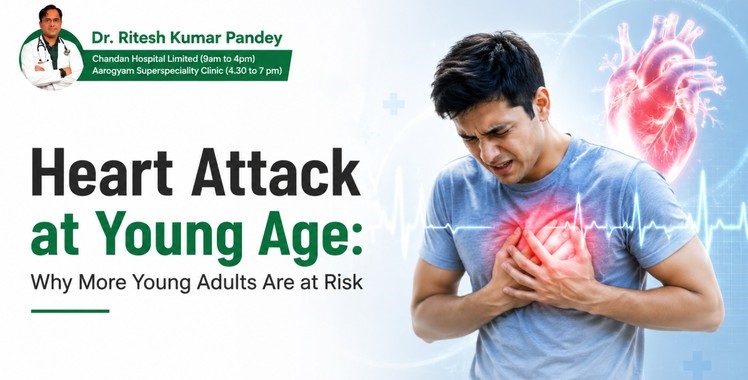
Heart Attack at Young Age: Why More Young Adults Are at Risk
Earlier, heart-related issues used to pertain only to older people, but now the incidence of heart attack at young age is on the rise. Young adults aged 30–40 are suffering from heart problems owing to their lifestyle choices, higher stress levels, and unhealthy eating habits.
A heart attack means that blood is not reaching the heart due to the blockage of arteries caused by plaque buildup. While age matters, modern lifestyles make people more susceptible to heart disease.
Knowing the causes, symptoms, and ways to prevent this condition is crucial for young people so that proper action can be taken in time.
Why Is Heart Attack at Young Age Becoming More Common?
Heart attacks in young adults have become more frequent due to their hectic lifestyles. Working for long hours, not sleeping on time, and eating fast food are some of the factors that affect the health of young adults adversely. Unfortunately, people often don't realize that their heart health is affected until they develop some serious heart condition.
Common causes include:
-
No regular exercise
-
Eating fast food
- Use of alcohol and tobacco
- Stress
- Poor sleeping patterns
- Overweight
The combination of these factors leads to high blood pressure and high cholesterol levels in the body.
Some of the Major Factors That Cause a Heart Attack in Young Individuals Are:
High Cholesterol Levels
High levels of LDL cholesterol can cause fatty deposits inside the arteries. Over time, these deposits may restrict blood flow and increase the risk of coronary artery disease.
High Blood Pressure
Uncontrolled high blood pressure puts extra pressure on the heart and blood vessels. Many young adults ignore hypertension because they do not experience noticeable symptoms.
Diabetes and Obesity
Diabetes can damage blood vessels and increase cardiovascular risks. Similarly, excess body weight can contribute to inflammation, high cholesterol, and increased workload on the heart.
Stress and Mental Health Factors
Continuous stress can negatively impact heart health. Stress hormones may increase blood pressure and encourage unhealthy habits such as overeating, smoking, or lack of physical activity.
Warning Signs of Heart Attack in Young People
Many people believe that heart problems always show severe symptoms, but early warning signs can sometimes be mild.
Common symptoms include:
-
Chest pressure or discomfort
-
Pain spreading to the arm, neck, jaw, or back
- Shortness of breath
- Sudden sweating
- Unusual tiredness
- Dizziness or weakness
Ignoring these symptoms can delay treatment. Early medical attention can significantly improve outcomes.
Lifestyle Habits That Increase Heart Attack Risk
Modern lifestyle patterns play a major role in increasing heart risks among young adults.
Sitting for long hours, skipping exercise, eating excessive fried foods, and managing stress poorly can gradually affect cardiovascular health.
Young individuals should focus on:
-
Regular physical activity
-
Balanced nutrition
- Maintaining a healthy weight
- Avoiding smoking
- Managing stress effectively
- Getting regular health checkups
How Can Young Adults Prevent Heart Problems?
Prevention is possible with consistent healthy habits. Small lifestyle improvements can create a major difference in long-term heart health.
Some important preventive steps include:
-
Exercise for at least 30 minutes regularly
-
Eat more fruits, vegetables, and whole foods
- Monitor blood pressure and cholesterol levels
- Avoid tobacco products
- Get proper sleep every night
- Schedule routine heart health screenings
People with a family history of heart disease should be more careful and consider regular cardiovascular evaluations.
When Should You Visit a Cardiologist?
If you experience symptoms like chest discomfort, breathing difficulty, an irregular heartbeat, or unexplained fatigue, consulting a heart specialist is important.
Dr. Ritesh Kumar Pandey provides advanced cardiac care and helps patients understand their heart health risks through proper evaluation and treatment planning.
A timely consultation can help identify potential heart problems early and support better health outcomes.
Frequently Asked Questions
Can a heart attack really happen at a young age?
Yes, and more often than people expect. Genetics, an unhealthy routine, smoking, high cholesterol, diabetes, and constant stress can all increase the risk well before someone turns 40.
What are some early signs young adults shouldn't ignore?
Chest pain, shortness of breath, unusual tiredness, sudden sweating, or pain in the arm or jaw should never be ignored. If these symptoms appear, seek medical attention immediately.
What can young people actually do to lower their risk?
Regular exercise, a healthy diet, avoiding smoking, managing stress, and routine health checkups can help lower the risk of heart disease and keep your heart healthy.
When is it time to see a cardiologist?
If you're noticing any heart-related symptoms or have risk factors like a family history, high blood pressure, diabetes, or high cholesterol, it's worth getting checked rather than waiting.
Conclusion
The alarming trend of heart attack at young age highlights the importance of awareness and preventive measures. Heart disease is no longer limited to older adults, and young people should take their heart health seriously.
Maintaining a healthy lifestyle, getting regular health checkups, and seeking early medical advice can help reduce the risk of heart disease. Consulting Dr. Ritesh Kumar Pandey, the Best Cardiologist in Lucknow, can help with the early diagnosis and effective management of heart-related problems.